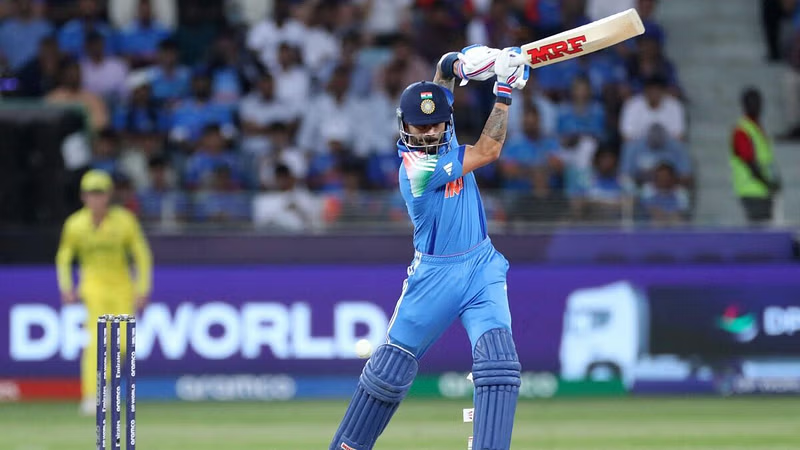

The ICC Champions Trophy 2025 has been marred by controversy surrounding travel schedules and venue selections, raising questions about fairness in international cricket. While India has enjoyed the luxury of playing all their matches in Dubai, South Africa and Australia have been subjected to grueling travel schedules. The Proteas, in particular, faced three flights in three days before their semifinal, a logistical nightmare that put them at a disadvantage ahead of a crucial knockout match.
South Africa’s journey to the semifinal was anything but straightforward. Heinrich Klaasen, when asked about the team’s travel schedule, mistakenly referred to Dubai as India—a slip that, while innocent, underscored the widely acknowledged reality: India’s presence in Dubai is akin to a home advantage.
South Africa and Australia were both flown to Dubai in anticipation of facing India. Their semifinal locations were determined only after the final Group A match, rather than being based on pre-determined standings, further reinforcing the preferential treatment India received.
Proteas batter Rassie van der Dussen acknowledged the disparity: “If you can stay in one place, stay in one hotel, practice in the same facilities, play in the same stadium, on the same pitches every time, it’s definitely an advantage.” South Africa, on the other hand, had to adapt to different conditions, stadiums, and climates within a short period—an undeniable hindrance.
Pakistan is hosting its first ICC event in 28 years, a significant milestone given the 2009 terrorist attack on the Sri Lankan team bus in Lahore. However, political tensions between India and Pakistan meant that the Indian government barred its team from playing on Pakistani soil. Instead, all of India’s matches, including their semifinal and potential final, were staged in Dubai.
This geopolitical tension has long plagued cricket, but financial considerations also played a major role in the ICC’s decision-making. India’s economic clout in the cricketing world is unmatched. The Board of Control for Cricket in India (BCCI) commands lucrative broadcasting deals that far outweigh those of other cricketing nations. When India tours South Africa, Cricket South Africa earns approximately R150 million per match—revenue that is nearly impossible to generate from any other opponent.
This financial muscle made it unthinkable for the ICC to stage a Champions Trophy without India. Consequently, the tournament’s structure bent to accommodate India, ensuring maximum commercial returns. As a result, Pakistan—the host nation—played only one match in front of their home crowd before being dispatched to Dubai to face India. Even their final group stage game was washed out, leaving Pakistani fans with little to celebrate.
Despite the logistical challenges, South Africa entered their semifinal against New Zealand undefeated, having comfortably beaten England in their final group-stage match. However, the fatigue of excessive travel took its toll, as centuries from Rachin Ravindra and Kane Williamson helped the Black Caps overpower the Proteas in Lahore.
Now, India and New Zealand will clash in the final, with Dubai serving as a de facto home ground for India. While New Zealand will have to adapt to new conditions, India will benefit from their familiarity with the Dubai International Stadium—another clear example of the advantage they have held throughout the tournament.
Cricket’s global appeal lies in its competitive spirit and fairness, but the Champions Trophy has exposed an imbalance that favors commercial gain over sporting integrity. India’s dominance in cricket finance is undeniable, but should that dictate tournament logistics at the expense of fairness?
As the ICC looks ahead to future tournaments, it must find a way to balance financial imperatives with sporting equity. If international cricket is to maintain its credibility, teams should compete on a level playing field, free from undue advantages based on economic clout or political considerations. Until then, debates over fairness will continue to overshadow the game’s greatest spectacles.
 My Goat Sports